Delta–Hermann-Debroux
A new southern gateway to Brussels
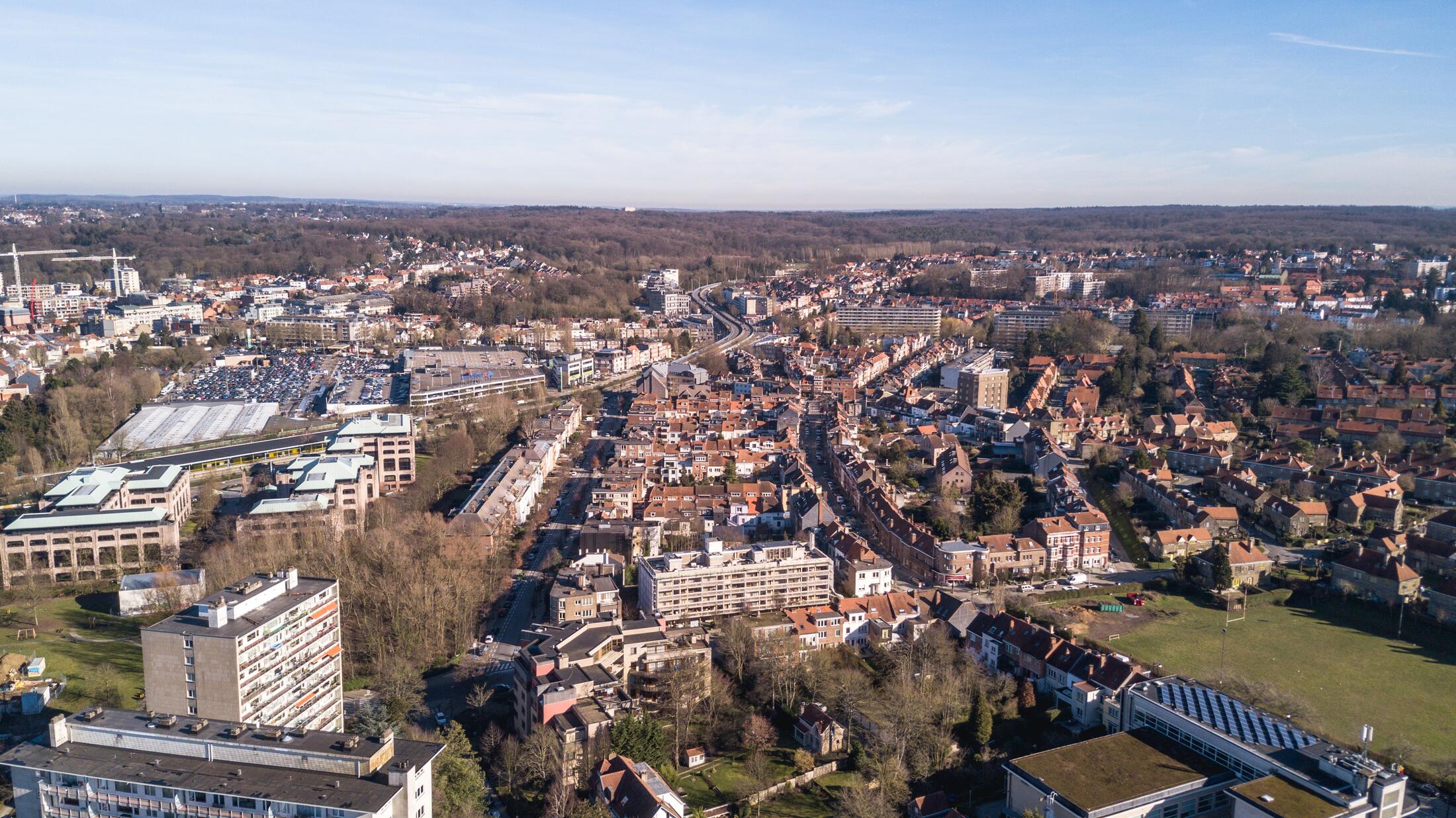
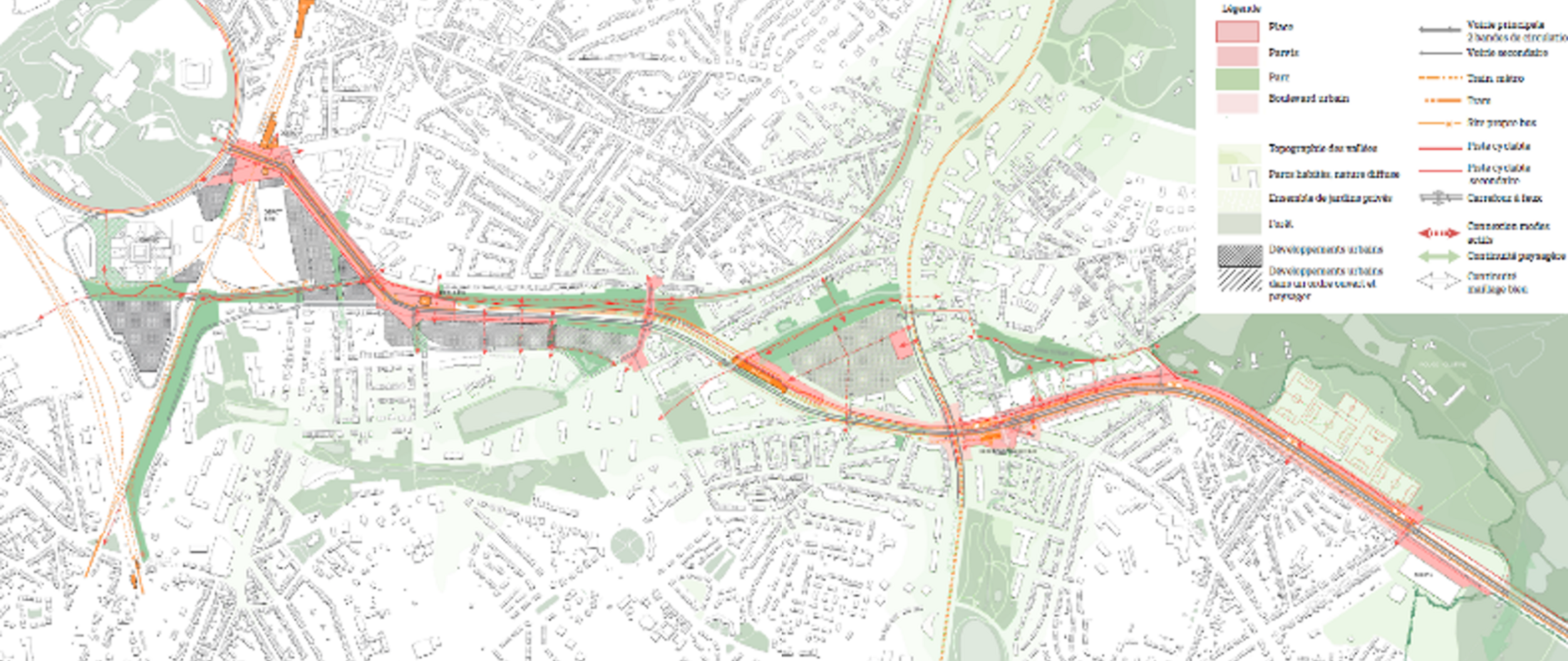
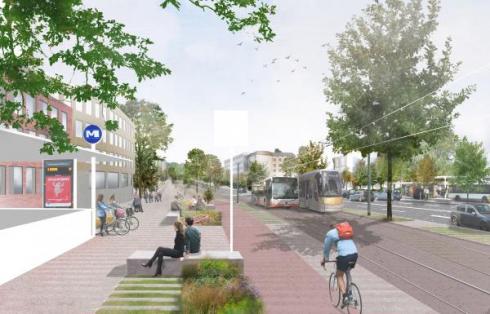
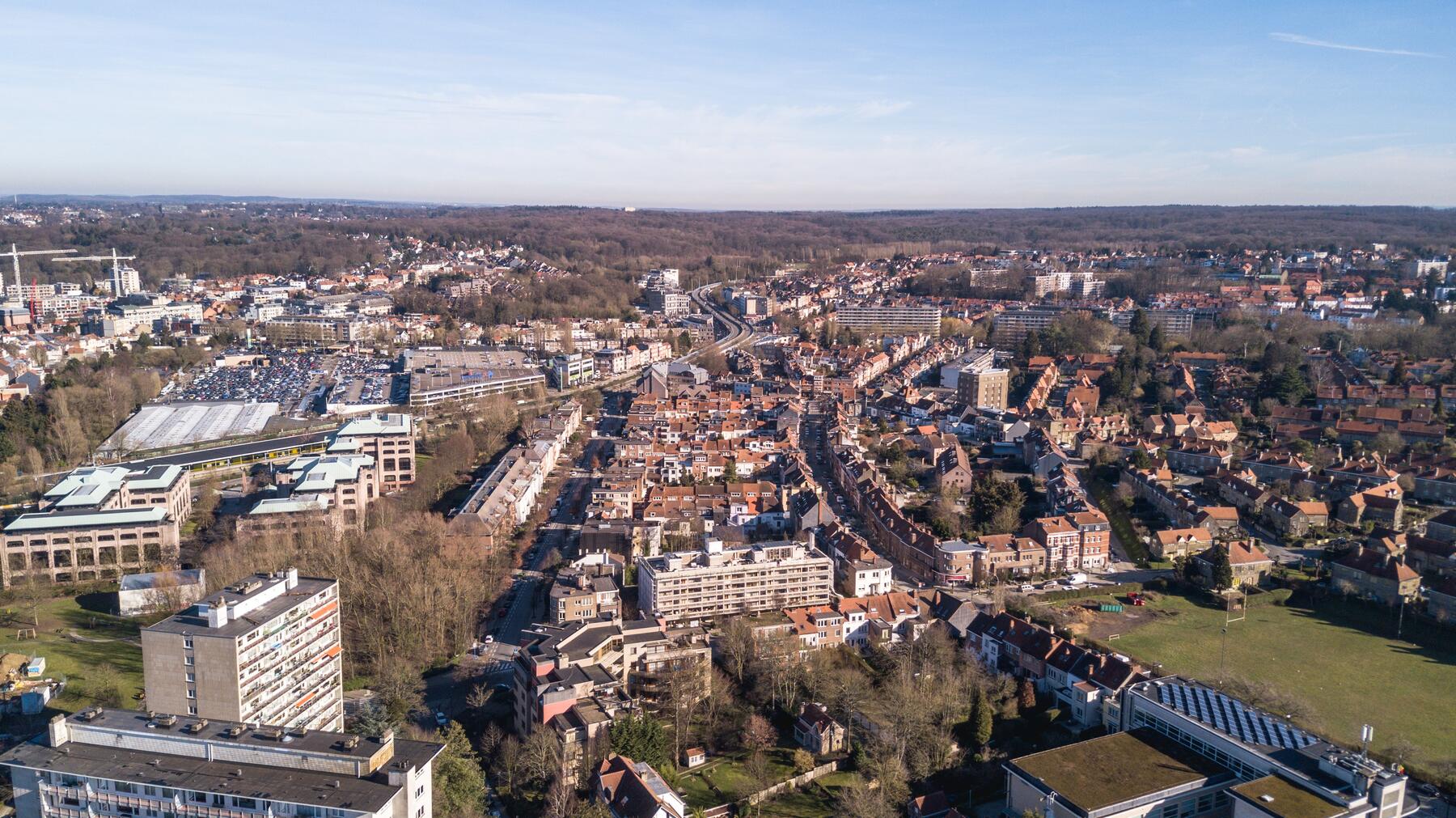
Located at the south-eastern entrance to Brussels, the Herrmann-Debroux area stretches over nearly 4 kilometres, from the Leonard junction to Boulevard du Triomphe. It is currently dominated by motorway infrastructure, which will gradually be dismantled to make way for greener neighbourhoods that are better integrated into the urban fabric. The overall redevelopment of the area is managed through an operational platform coordinated by the SAU.
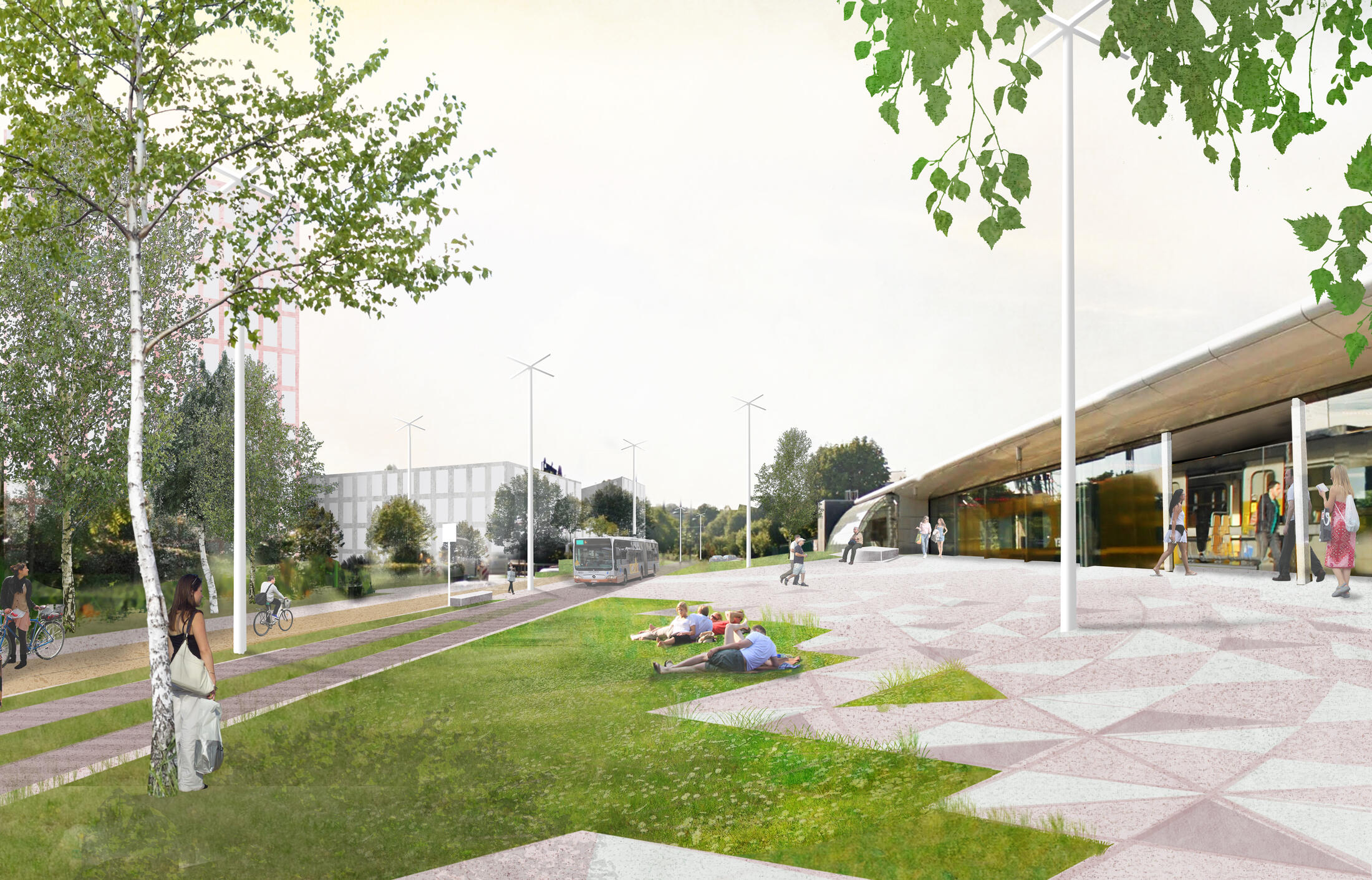
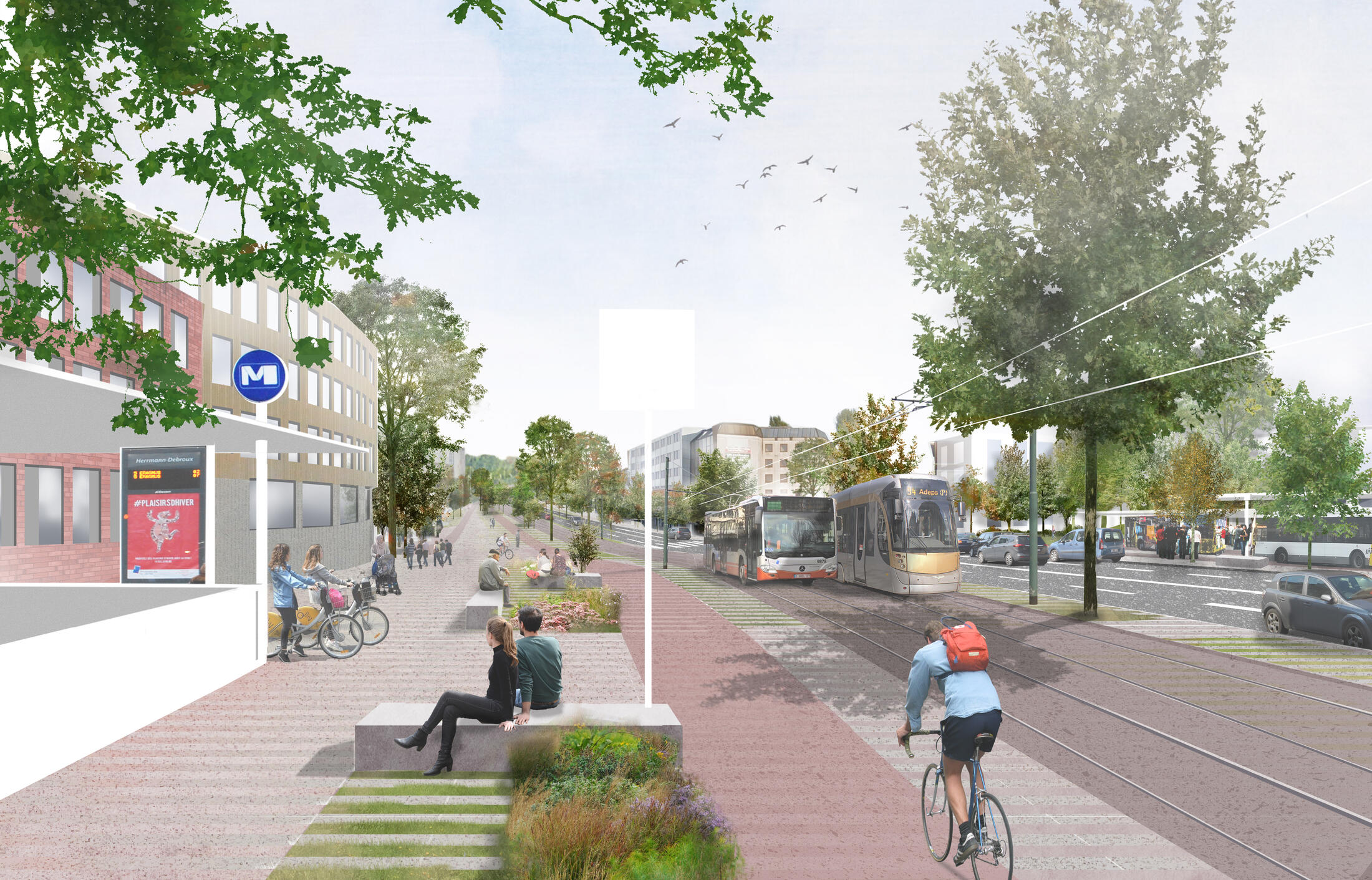
The urban regeneration of the entire area is framed by the Herrmann-Debroux Master Plan (PAD), approved by the Government of the Brussels-Capital Region on 28 April 2022 and entering into force on 1 June of the same year. Centred on the transformation of the E411 into an urban boulevard, the PAD aims to redevelop five “anchor sites” (Triomphe, Delta, Triangle, Beaulieu and Demey), introducing mixed-use programmes that combine residential and commercial functions, public facilities, offices and businesses.
Following its adoption, the Brussels Government launched an operational platform bringing together the main public stakeholders in spatial planning, the relevant administrations and ministerial offices. The purpose of this platform is to support the implementation of the urban programme set out in the Herrmann-Debroux PAD.
As operational coordinator, the SAU collects and consolidates information provided by public and private partners, particularly regarding timelines, budgets and potential implementation challenges. It is also responsible for negotiating the conditions for project delivery in order to ensure feasibility, while maintaining consistency with the PAD’s strategic objectives.
"As operational coordinator, the SAU gathers and consolidates information from public and private partners while maintaining continuous dialogue with numerous developers in order to align strategic and operational priorities."
In addition, the SAU actively participates in steering committees for studies related to the PAD perimeter and, where necessary, organises targeted thematic meetings to ensure effective coordination among stakeholders.
At present, several private developers are engaged in real estate projects across the entire perimeter, each at a different stage of progress. At the same time, public authorities are continuing the preparatory studies required for the implementation of the public component of the PAD programme. These include the transformation of the motorway into an urban boulevard, led by Bruxelles Mobilité; the technical feasibility study for a new P+R mobility hub, conducted by Parking.brussels; and the extension of the tram network to this future hub, managed by the STIB.
Development of the Delta Triangle
The so-called “Delta Triangle” site, covering approximately 4 hectares, was acquired by the SAU due to its strategic importance, representing one of the last significant land reserves at the scale of the Region.
In 2013, as part of the Region’s ambition to develop a new hospital hub in this area, an agreement was concluded between the SAU and CHIREC for the sale of the northern part of the Delta site. This transaction enabled the construction of the new CHIREC hospital, which opened in December 2017. The second phase of the CHIREC hub development, comprising a mixed-use programme combining housing, retail and facilities, is currently nearing completion.
"The SAU is currently refining the urban programme with a view to developing approximately 65,000 m² of mixed-use functions."
Today, the SAU remains the owner of the southern part of the site, known as the “Delta Triangle”, which is set to be redeveloped in the coming years. Identified as one of the five anchor sites of the Herrmann-Debroux Master Plan (PAD), it forms part of a broader project to upgrade the southern gateway to the Brussels-Capital Region. The SAU is working to develop approximately 65,000 m² of mixed-use functions on the site, including 17,000 m² of housing, 18,000 m² of productive activities and 20,000 m² of office space, in line with the ambitions and objectives set out in the PAD. It is currently assessing the project’s feasibility in terms of urban integration, environmental performance, mobility and infrastructure, with the aim of unlocking and transforming the site into a dynamic space that meets the city’s needs.en up and transform this site into a dynamic space that meets the needs of the city.